All Articles ever
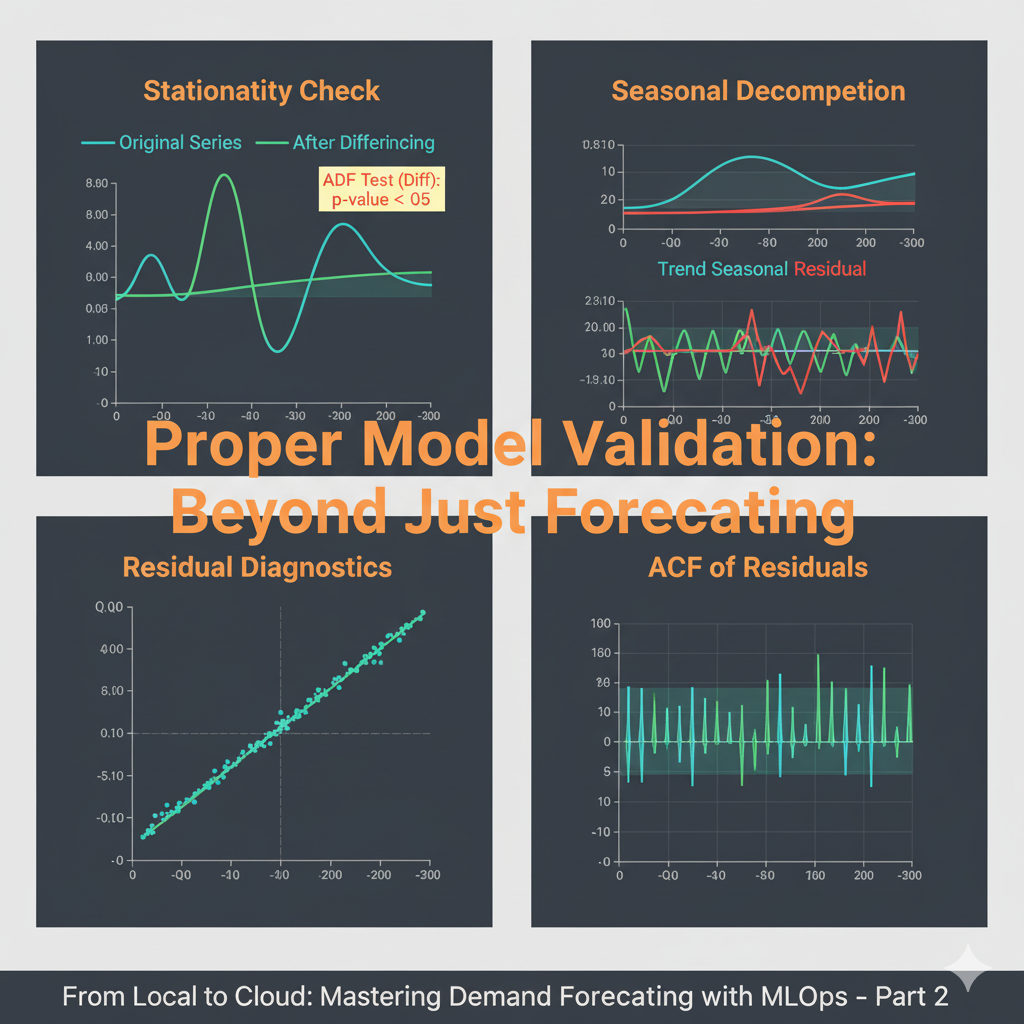
Our First Forecast: Traditional Time Series Models on Your Laptop
Before we summon the cloud giants, we must master the basics. In Part 2 of our MLOps for Time Series series, we get our hands dirty with code, building our first demand forecast using classic models like ARIMA right on our laptops. Every robust ML system starts with a simple, reproducible baseline.
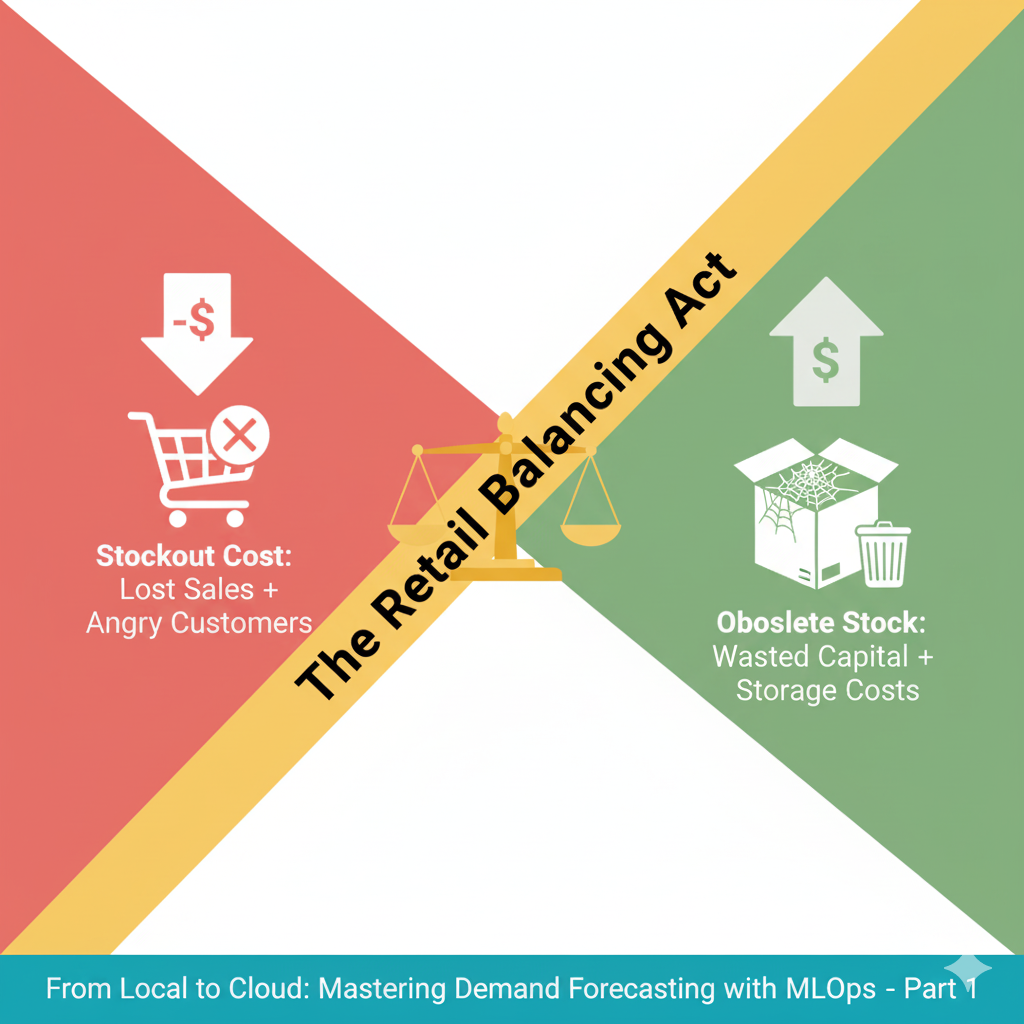
The Multi-Million Dollar Problem: Stockouts and Obsolete Stock
What if I told you that a 2% error in your demand forecasts could be costing your company millions? It's not just a math problem; it's a business crisis hiding in plain sight. In this first article of our series on MLOps for Time Series, we uncover the real-world cost of stockouts and dead inventory—and how we can build a solution.

Beyond PSM: A Tour of the Causal Inference Toolkit (DiD, IV, RDD)
PSM is great, but it can't solve every problem. What about unobserved confounders? Or when you have a clear before-and-after?

A Step-by-Step Walkthrough: Implementing PSM in Python
You understand the theory of PSM. Now, let's build it. In this step-by-step tutorial, I generate a synthetic financial dataset and walk through the entire process: ✅ Simulating confounding variables ✅ Estimating propensity scores ✅ Matching treated & control units ✅ The CRITICAL balance check (don't skip this!) ✅ Calculating the causal effect on churn

PSM vs. IPW: A Practical Guide to Choosing Your Causal Method
I read this advice in a great book on causal inference and it's a common point of confusion. Should you always prefer Inverse Probability Weighting (IPW) over Propensity Score Matching (PSM)?
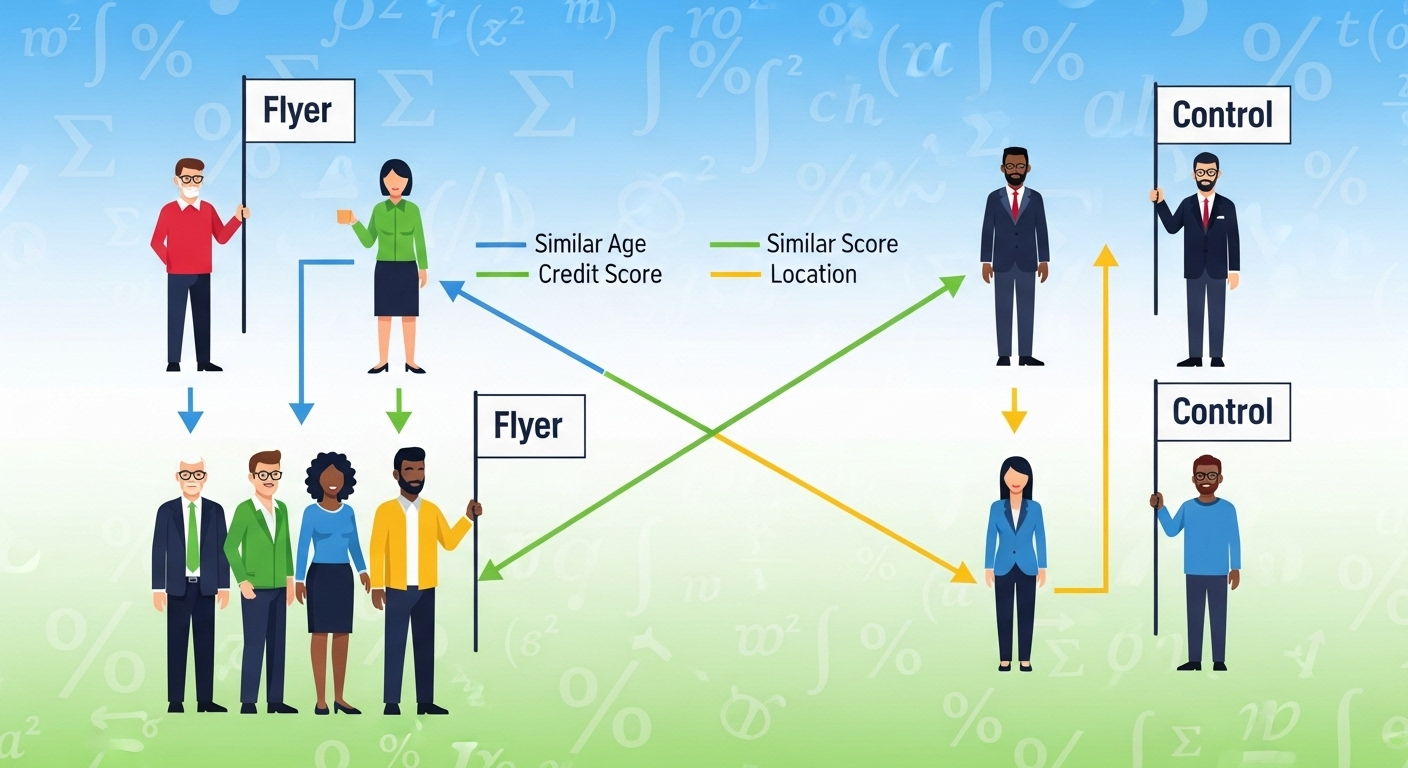
The Magic of Mimicking Randomization: An Intro to Propensity Score Matching
A/B tests are the ideal, but the real world is messy. So how do we find causal answers when we can't randomize? We use Propensity Score Matching (PSM) to create statistical 'twins'.